Heritage & Culture Tours
Kathmandu Heritage Tour
Palace squares, living temples, and seven UNESCO World Heritage sites — the valley that is a museum you can walk through.
- Duration
- 1–3 days
- Difficulty
- Easy
- Best season
- Year-round (Oct–Mar clearest)
- Starts
- Kathmandu
- Ends
- Kathmandu
- Best for
- First-time visitors, Culture travelers, Buddhist travelers, Photography lovers, Short-stay travelers
Overview
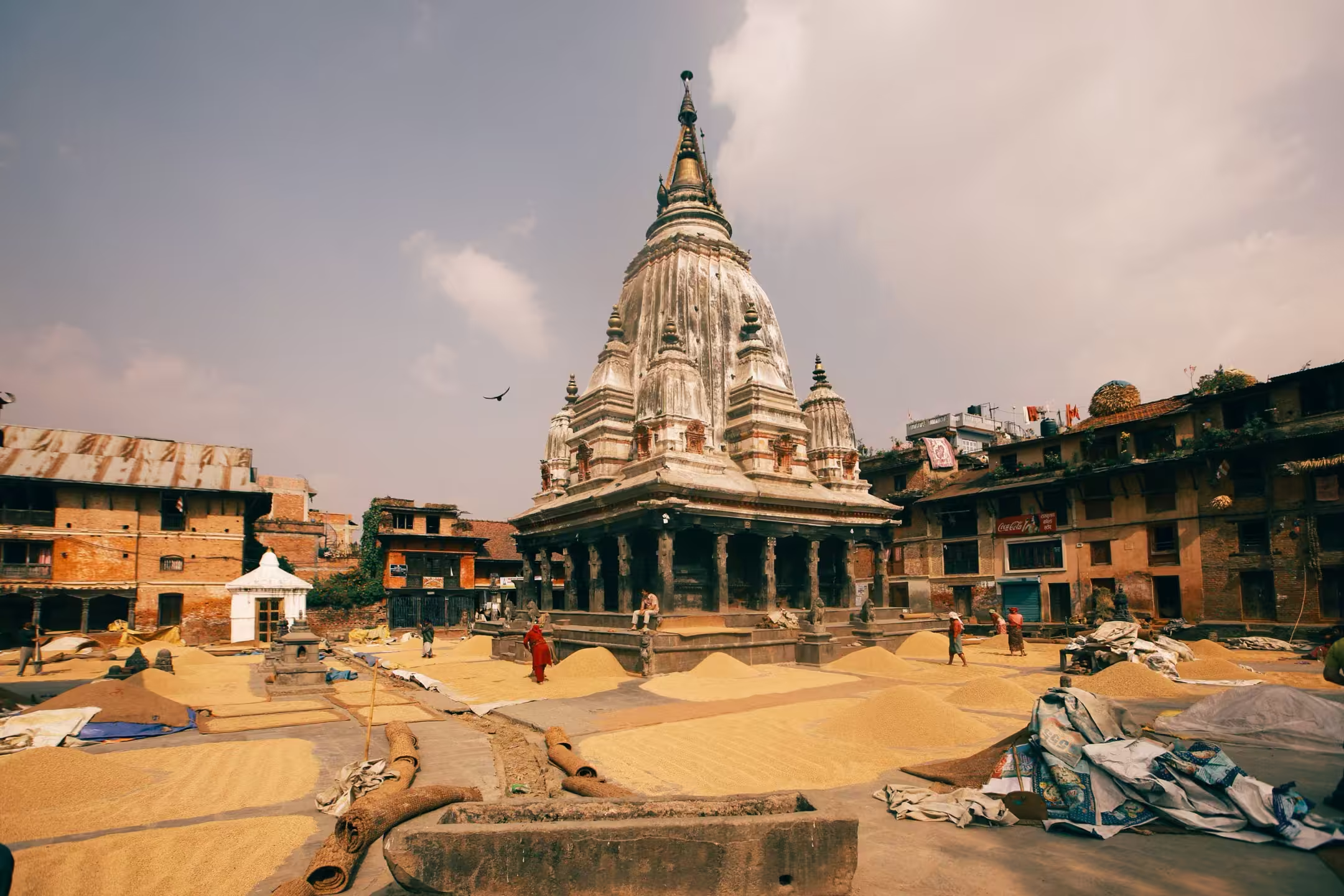
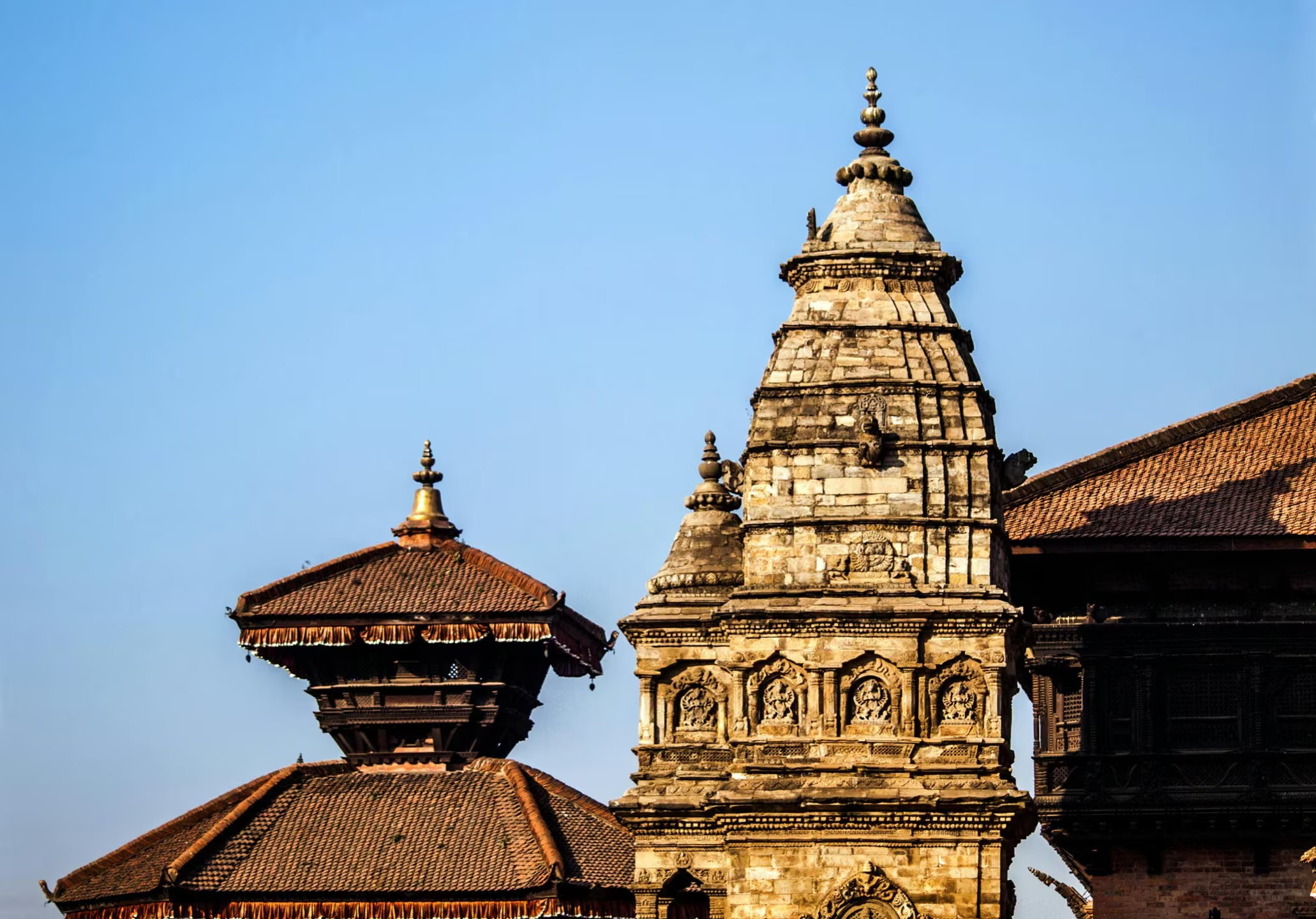
The Kathmandu valley holds seven UNESCO World Heritage sites within an hour of each other: medieval palace squares, the great stupas of Boudhanath and Swayambhunath, and the sacred riverside temple complex of Pashupatinath.
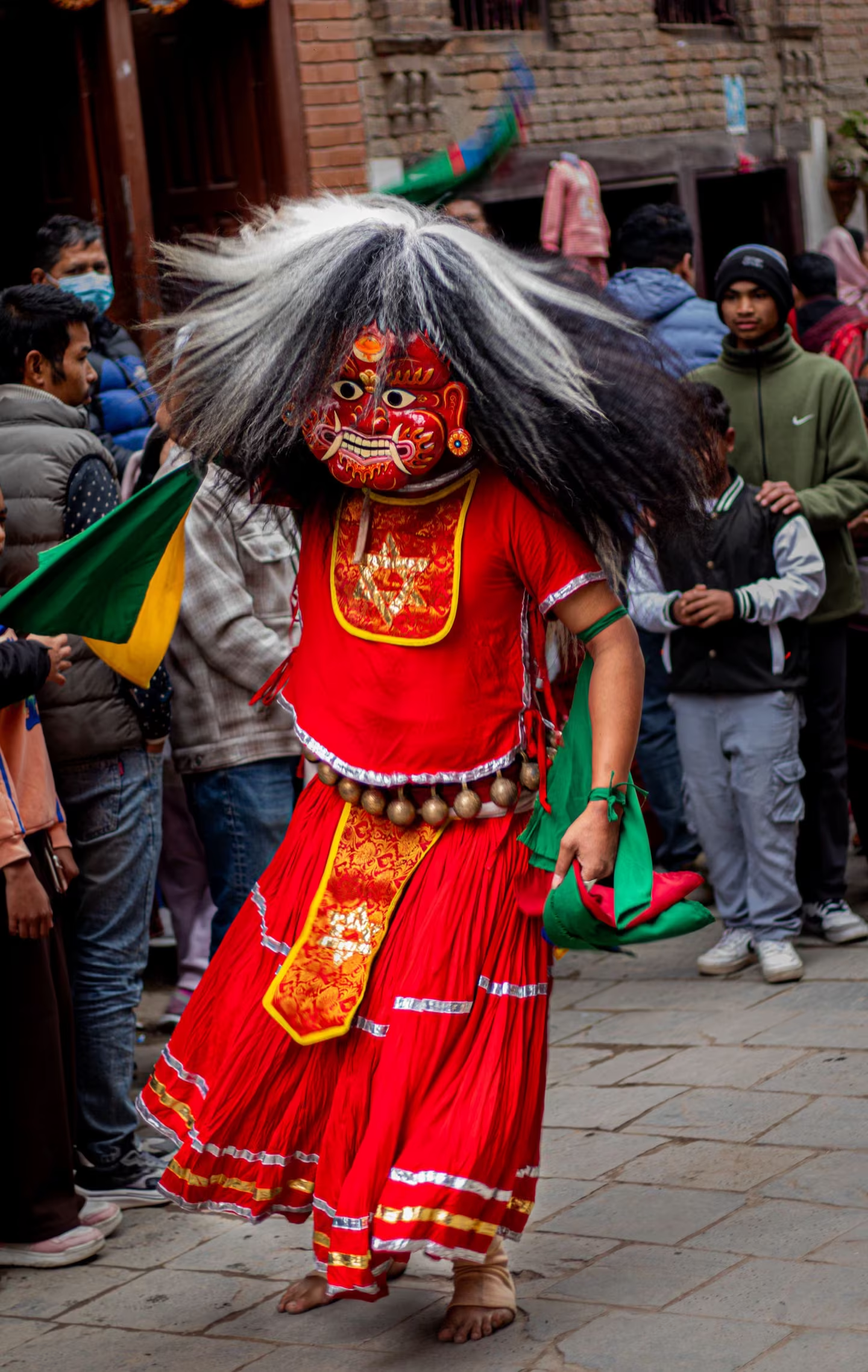
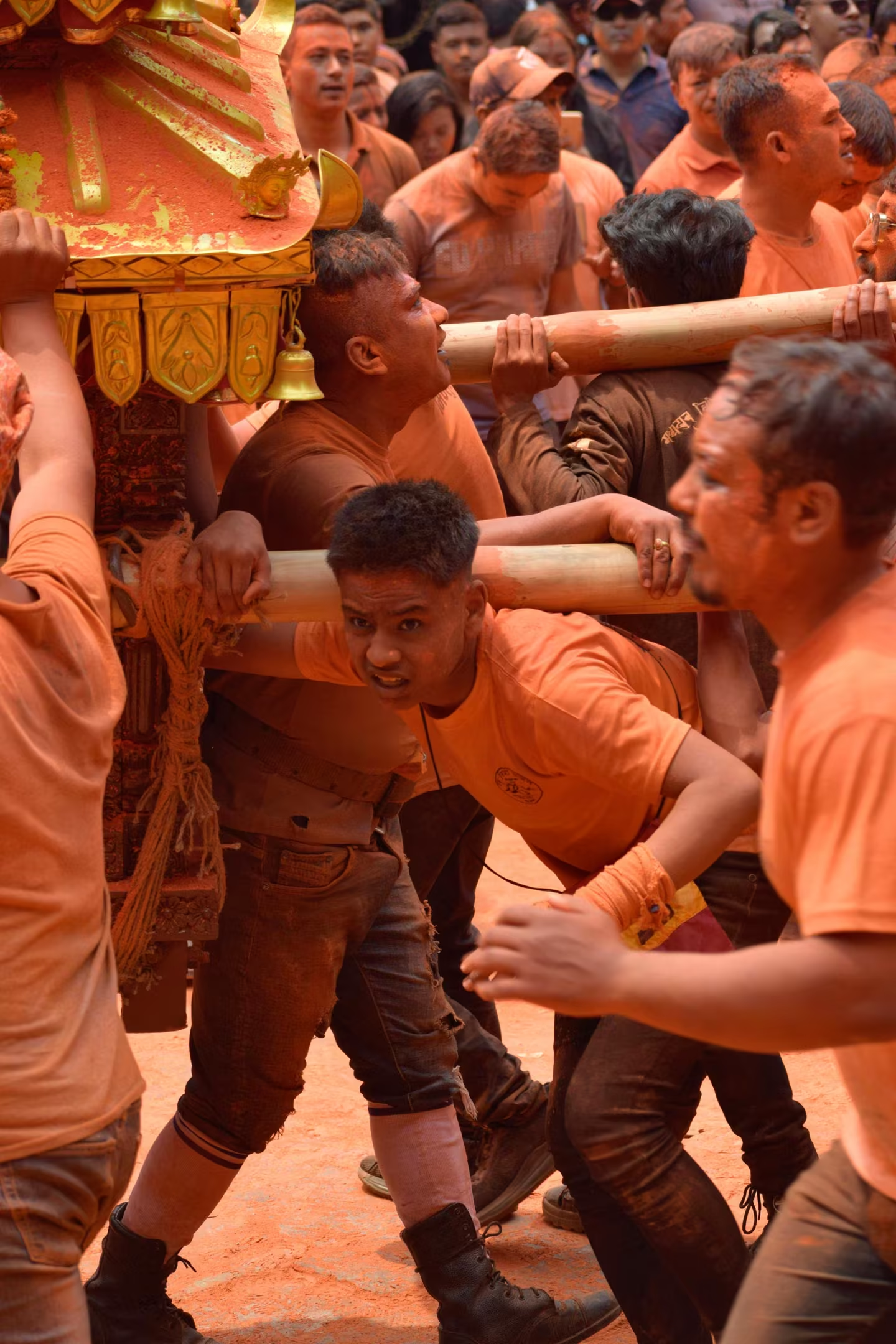
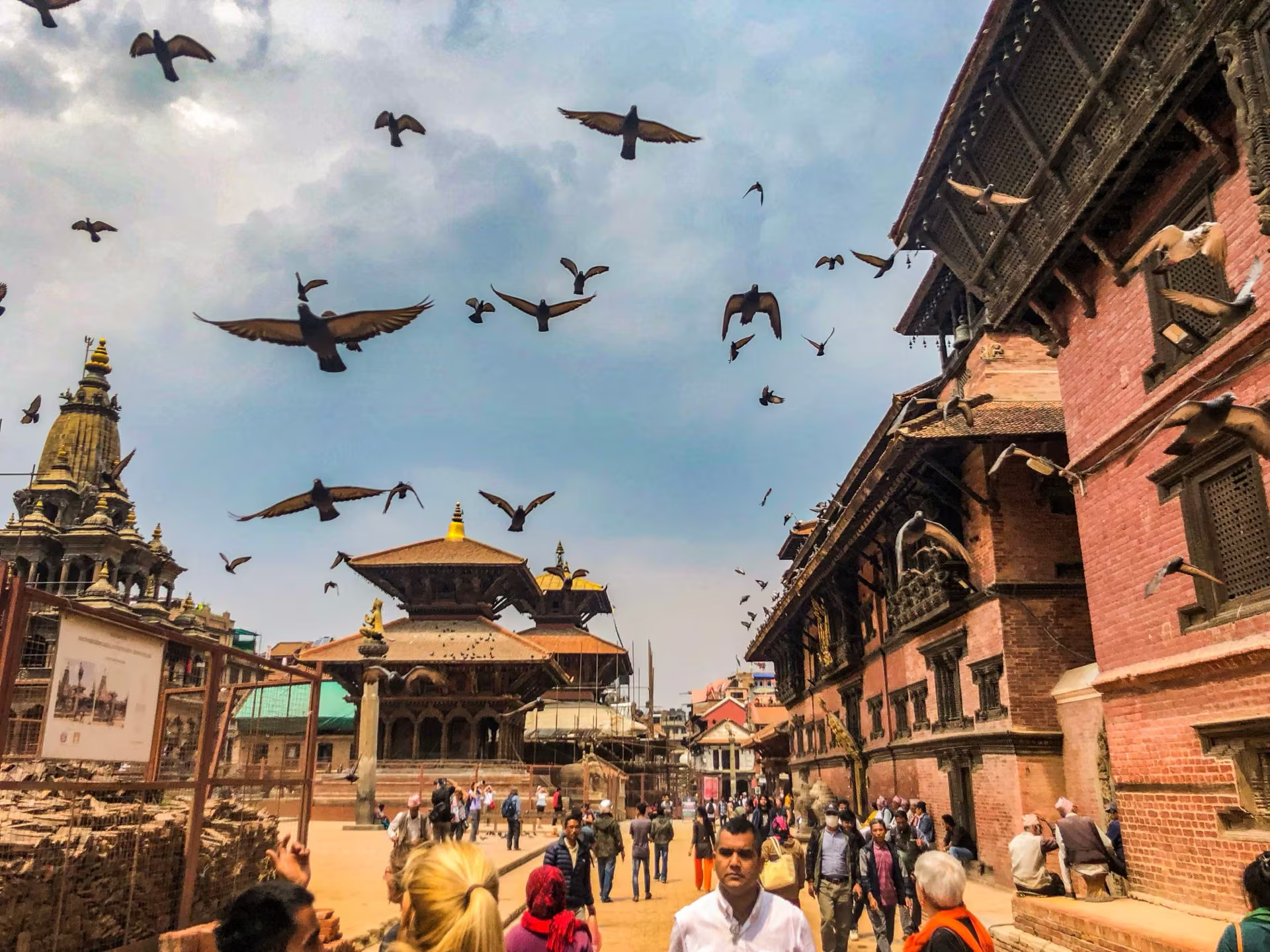
This is not a museum circuit — the squares are working marketplaces, the temples are in daily use, and festivals spill into the streets. Our guides grew up here; they walk you through the living city, not just past its monuments.
Why This Trip Works
It is the densest cultural experience in Nepal — you can stand in a 12th-century square in the morning and circle Asia's largest stupa with pilgrims at dusk.
Everything is close: short drives, easy walking, and flexible pacing make it ideal before or after a trek, or as a complete short trip in itself.
A local guide changes everything here. The carvings, the caste of craftsmen who made them, the festivals each shrine anchors — the stories are the tour.
Highlights
- Kathmandu Durbar Square and the old royal palace
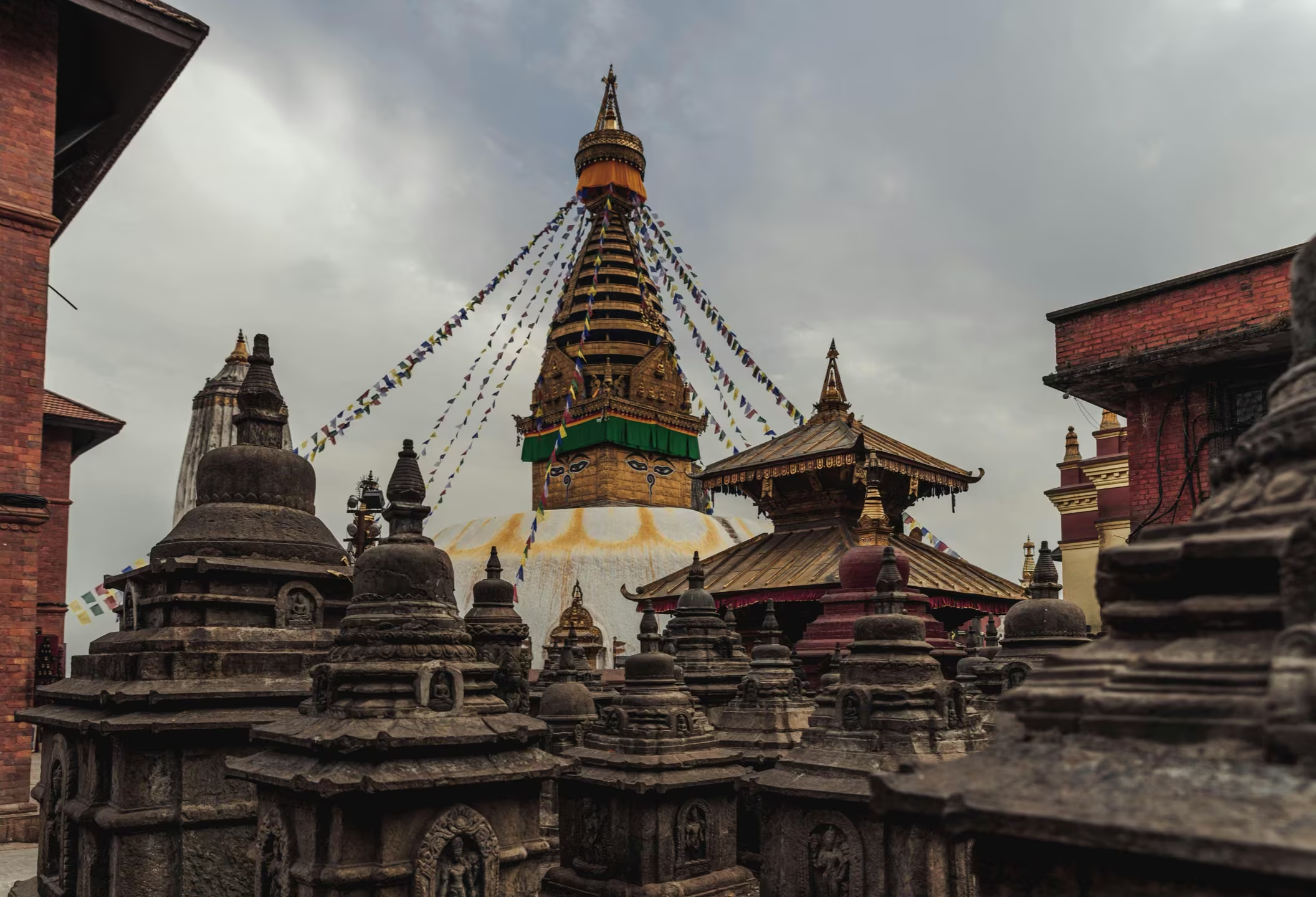
- Swayambhunath, the hilltop 'Monkey Temple'
- Boudhanath Stupa at evening prayer time
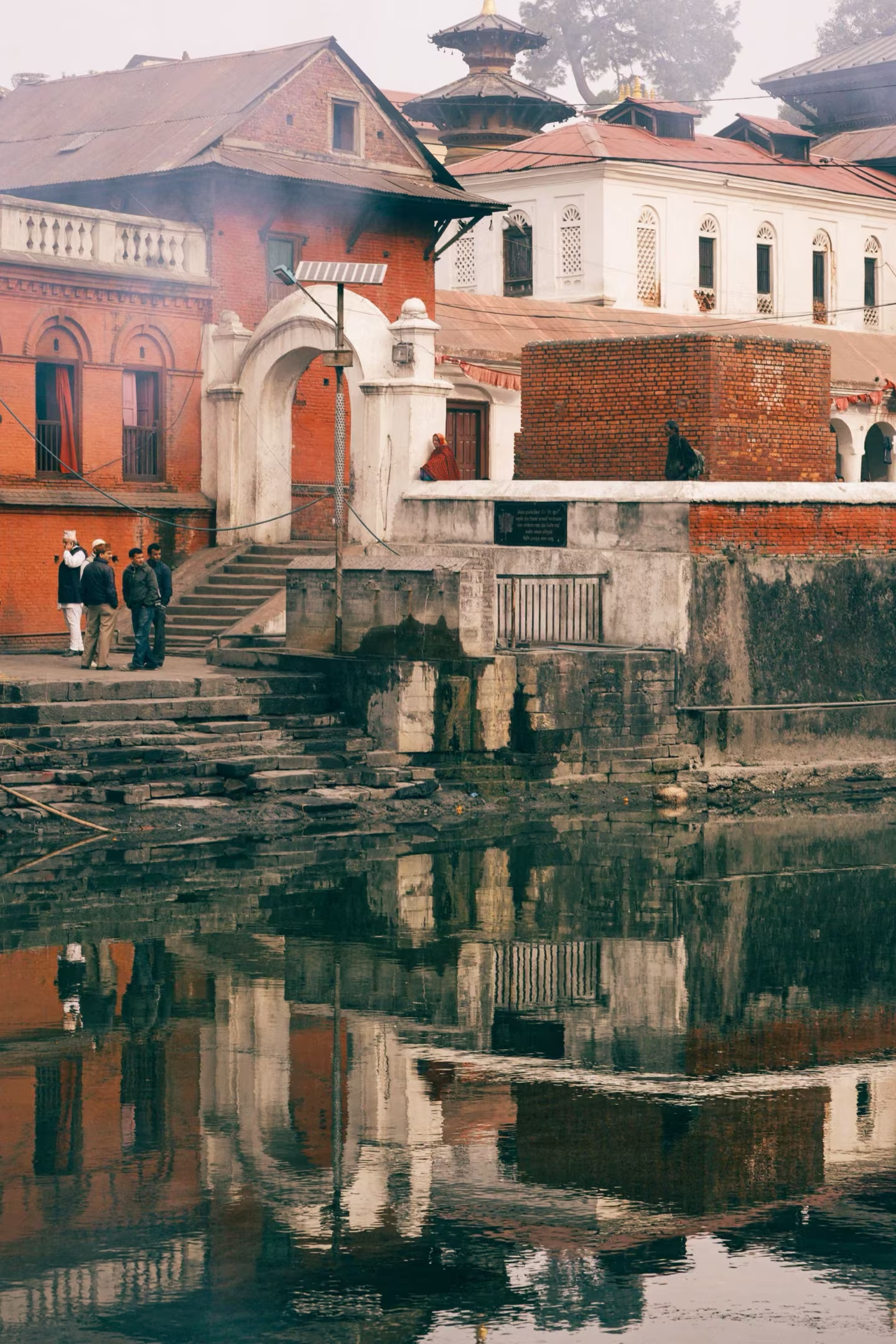
- Pashupatinath, Nepal's holiest Hindu temple
- Backstreet markets, courtyards, and craft workshops
- Traditional Newari food and a local lunch stop
Suggested Itinerary
Day 1
Durbar Square & Swayambhunath
Morning among the palaces and pagodas of the old city, afternoon climb to the all-seeing eyes of Swayambhunath.
Day 2
Boudhanath & Pashupatinath
Circle the great stupa with morning pilgrims, then walk the sacred Bagmati riverside at Pashupatinath.
Day 3
Markets, crafts & hidden courtyards
Asan bazaar, thangka and woodcarving workshops, and an optional monastery visit to finish.
In Photos
Who This Trip Is Best For
- First-time visitors
- Culture travelers
- Buddhist travelers
- Photography lovers
- Short-stay travelers
Difficulty & Preparation
An easy walking tour: expect 2–4 relaxed hours on foot each day, with vehicle transfers between sites.
Some sites involve stairs — Swayambhunath's famous staircase has 365 steps — but everything can be paced gently or driven around.
Comfortable shoes, modest dress for temple visits, and sun protection are all you need.
Best Season
- October–March: crisp air and the clearest mountain backdrops.
- April–June: warmer, with major festivals frequently underway.
- Monsoon (June–September): perfectly doable — mornings are quieter and the squares shine after rain.
Customization Options
- Condense to a single full day for layovers and short stays
- Add Bhaktapur or Patan for a three-city valley circuit
- Focus the route on Buddhist or Hindu sites
- Add a Nagarkot sunrise drive for Himalayan views
- Combine with any trek as pre- or post-trip days
What's Included
- Airport or hotel pickup and all ground transport
- Licensed, English-speaking city guide
- All heritage-site entry fees
- Local lunch each touring day
- 24/7 local support during your stay
What's Not Included
- International flights and Nepal entry visa
- Kathmandu accommodation (we can arrange it)
- Travel insurance
- Personal expenses, drinks, and tips
Frequently asked questions
Is one day enough for Kathmandu?
One full day covers Durbar Square plus Boudhanath or Swayambhunath without rushing. Two to three days lets you see all the major sites and still get lost in the bazaars — which is half the point.
Are the sites suitable for older travelers and kids?
Yes. Distances are short, the pace is yours, and our guides adapt the walking. Tell us about your group and we will plan rest stops and the right order of sites.
Can non-Hindus enter Pashupatinath?
The main sanctum is reserved for Hindus, but the riverside complex, ghats, and surrounding temples are open to everyone and are the most moving part of the visit for most travelers.