Planning
Best Time to Visit Nepal 2026: Month-by-Month Guide by Region and Activity
Spring and autumn are just the start. Discover rain-shadow Mustang in monsoon, underrated winter treks, festival windows, and what Nepal's shifting seasons really mean for your trip.
Nepal has two famous trekking seasons — spring and autumn — and millions of words have been written about them. What gets less attention is everything else: a rain-shadow desert that turns magical in July, winter trails that feel like a private expedition, and a shifting monsoon that you genuinely cannot plan around the way you could five years ago.
Quick summary
Spring (March–May) and autumn (September–November) are the classic peaks: stable weather, clear views, rhododendrons in bloom (spring) and post-monsoon freshness (autumn).
Monsoon (June–September) closes most high routes but opens Upper Mustang and Dolpo — Nepal's rain-shadow region, dry and uncrowded while the rest of the country is soaked.
Winter (December–February) is underrated for lower-altitude treks like Ghorepani Poon Hill, Mardi Himal, and Langtang — clear skies, heavy snow on the peaks, almost no crowds.
The monsoon is shifting: the onset arrives earlier than it used to and the pattern is less predictable than a decade ago — this matters for trip planning.
Festival timing shapes the calendar too: Dashain and Tihar in October–November coincide with peak trekking season, so booking early matters.
Wildlife and culture travel (Chitwan, Kathmandu heritage) work in nearly any season; the key is knowing what to skip, not just what to do.
Spring: March to May
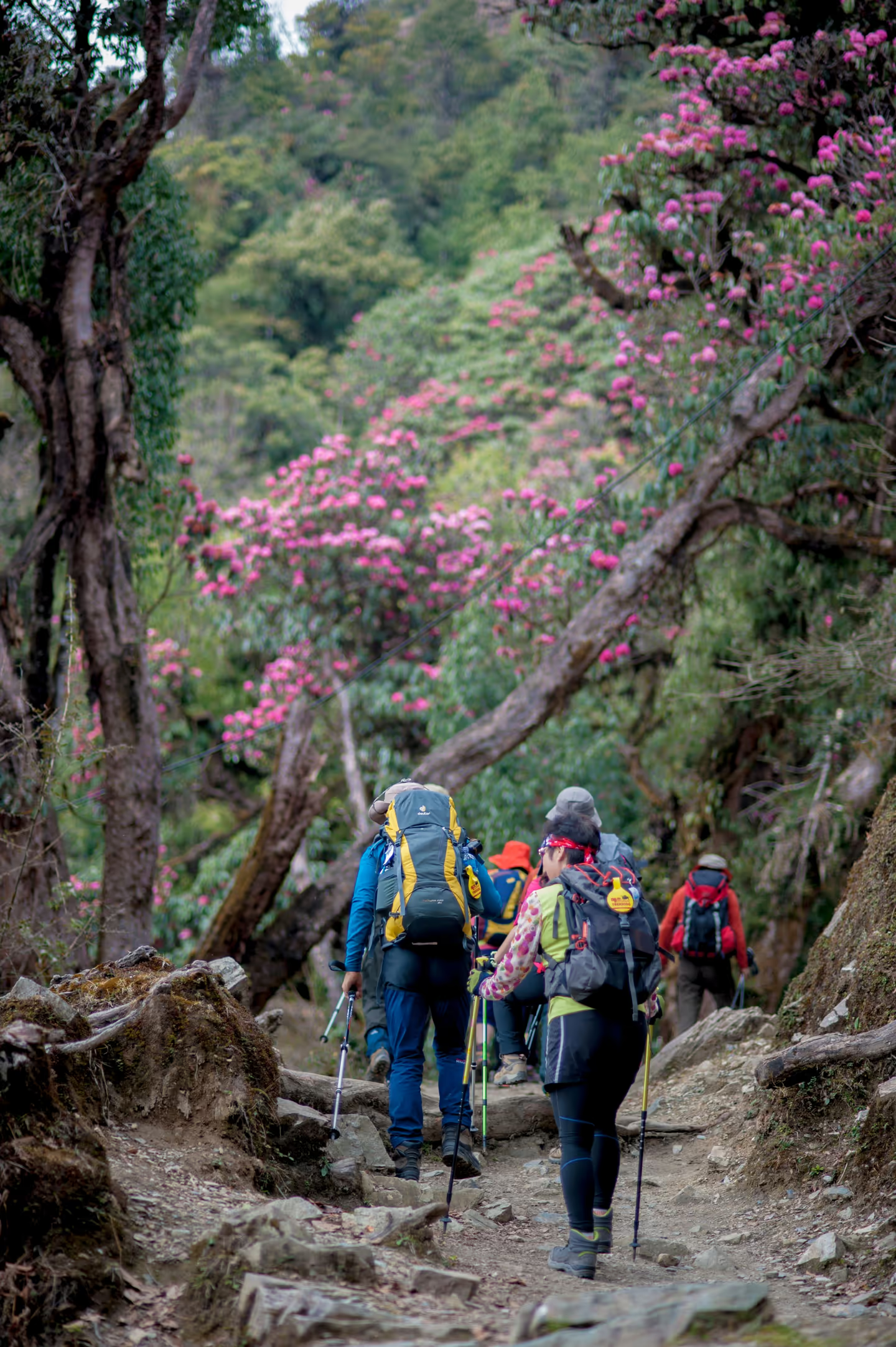
Spring is the season most serious trekkers target for Everest Base Camp, Annapurna Base Camp, and the high passes. Pre-monsoon weather is typically stable: mornings clear, afternoon clouds build, but the dangerous stuff stays away. Rhododendrons cover the lower slopes in vivid red and pink from roughly 1,800–3,500 m.
What works:
All major trekking routes — EBC, ABC, Langtang, Manaslu Circuit
Mountain expeditions (spring is the primary Everest climbing season)
Wildlife safaris at Chitwan National Park
Heritage and culture tours in Kathmandu and Pokhara
What to watch: Spring is the busiest season. Teahouses fill up on EBC and ABC; Lukla flights become a genuine logistics challenge (in peak months they shift to Ramechhap, a 4–5 hour pre-dawn drive from Kathmandu). Book permits, flights, and accommodation well in advance.
Autumn: September to November
Autumn is the other golden window — and many experienced trekkers prefer it. The monsoon has washed the air clean, mountains are vivid, temperatures are ideal for walking, and rivers are full. October in particular is Nepal's busiest travel month.
Festival bonus: Dashain (this year 11–21 October) and Tihar (8–12 November) both fall in the autumn trekking peak. Timing your trip to catch Tihar in Kathmandu — the festival of lights, with oil lamps lining every street — is worth planning around.
What to know about Dashain: Government offices, banks, and many businesses close for several days around Bijaya Dashami (21 October). Transport books out weeks in advance. If you need permits, extensions, or domestic flights around that window, arrange everything before the festival week starts.
Monsoon: June to September
Most travelers skip monsoon entirely, and for the classic trekking routes that's often the right call. Leeches, washed-out trails, and persistent cloud that hides the views you came for are real. The monsoon is also shifting — our team has noticed it arriving earlier and behaving less predictably than it did a decade ago, which makes tight itineraries risky.
But the monsoon creates an entirely different Nepal for those who know where to look.
Rain-shadow regions: Upper Mustang and Dolpo
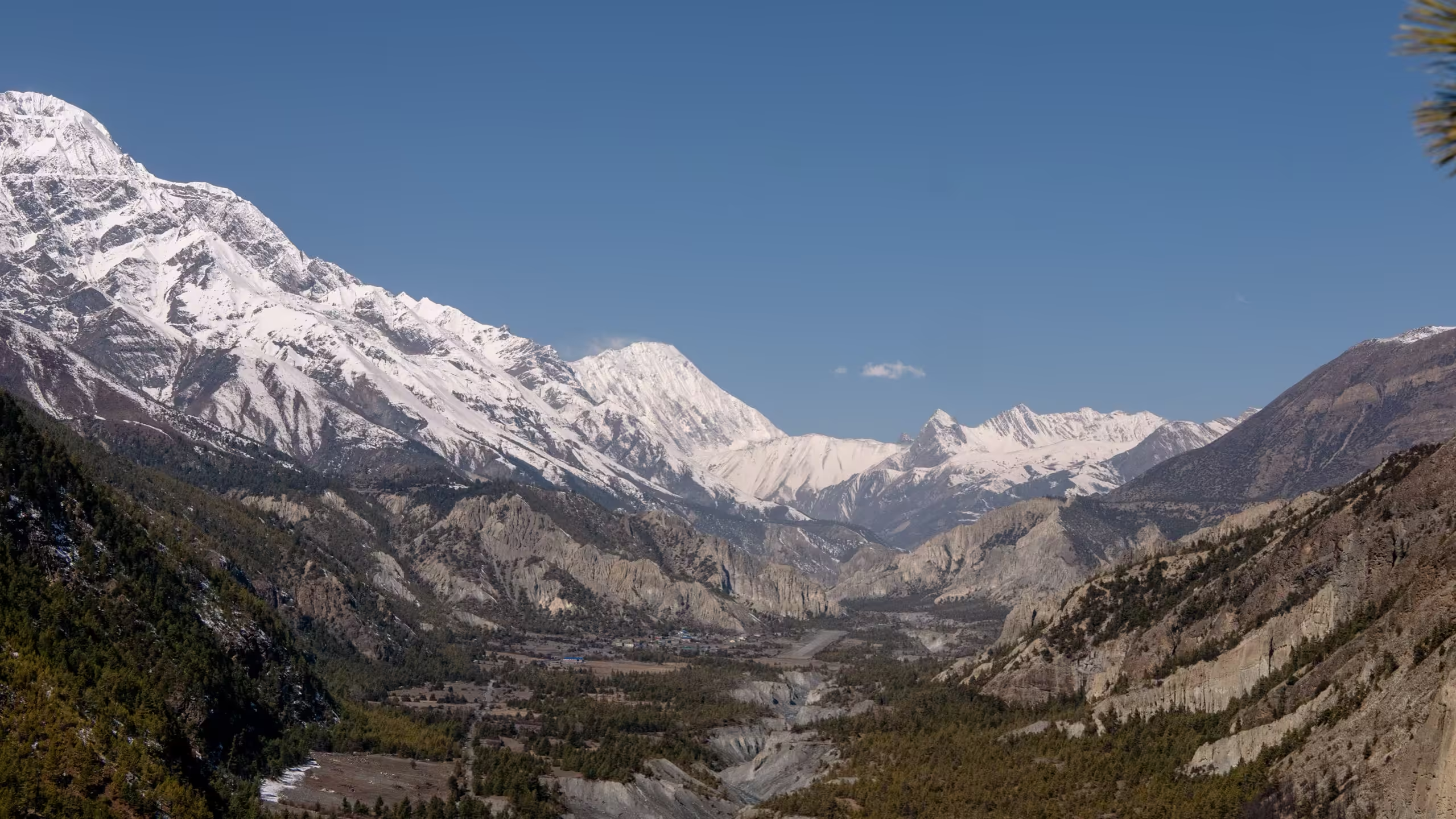
The Annapurna and Dhaulagiri ranges act as a barrier that catches the moisture before it reaches the high desert plateau to the north. Upper Mustang gets roughly 30 mm of rain in July; Pokhara, south of the same range, gets 300 mm in the same month. The ancient walled city of Lo Manthang, the cave monasteries, and the stark ochre landscape are at their most uncrowded and accessible precisely when everywhere else is drenched.
Upper Mustang requires a Restricted Area Permit (US$50/person/day) available only through a registered agency like EcoTourNepal — it cannot be obtained independently.
Other monsoon options that hold up:
Kathmandu Valley culture, temples, and museums
Lower wildlife zones — Chitwan's jungle is lush and green, and big mammal sightings remain good
Remote working base in Kathmandu or Pokhara (the city infrastructure is excellent year-round)
Winter: December to February
Winter is the most underrated season in Nepal, and it is one we actively recommend to travelers who are prepared.
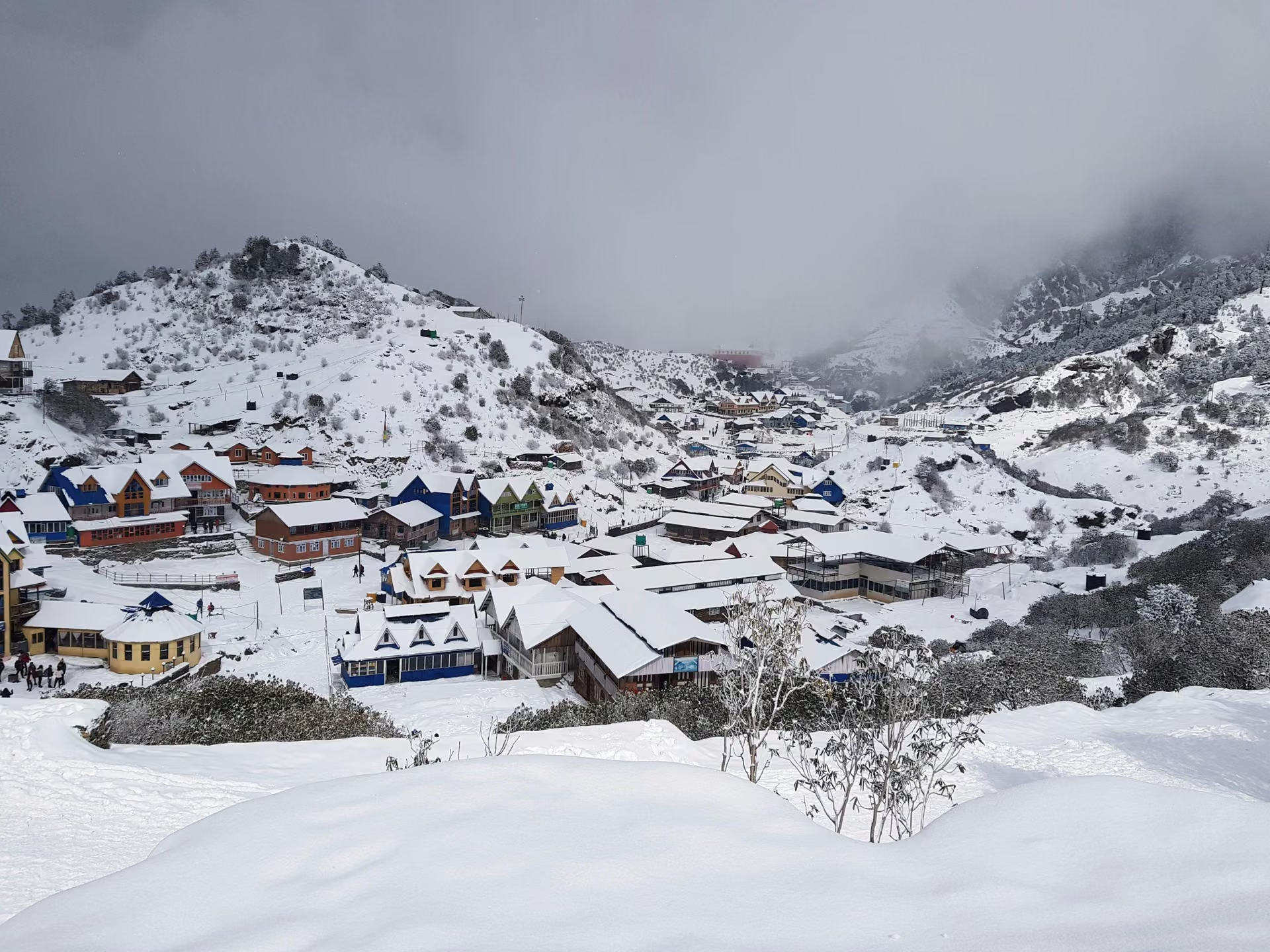
The sky is typically the clearest of any season. Views of the high peaks from lower vantage points — Sarangkot above Pokhara, Nagarkot above Kathmandu — can be extraordinary, with the white ranges sharp against cold blue sky. The trails are quiet. You won't be sharing a teahouse dining table with twenty strangers.
What works in winter:
Ghorepani Poon Hill (3,210 m) — doable in winter with the right gear
Mardi Himal base (4,500 m) — we run this one and it rewards the prepared trekker
Langtang Valley — lower than EBC, manageable with warm equipment
Kathmandu heritage tours and city-based stays
Chitwan safari — dry season, excellent birding
The honest caveat: Don't cheap out on gear for winter. Proper snow boots, a four-season sleeping bag, a quality down jacket, gloves, thermal base layers — these are not optional at any altitude above 2,000 m in December or January. The sky is clear because the cold is real.
Month-by-month quick reference
January — Trekking: Winter treks (low–mid altitude); Culture/Cities: Excellent; Wildlife: Good; Notes: Cold, clear, quiet
February — Trekking: Good lower treks; Culture/Cities: Good; Wildlife: Good; Notes: Warming up
March — Trekking: Season opens — excellent; Culture/Cities: Good; Wildlife: Fair; Notes: Rhododendrons starting
April — Trekking: Peak season — all routes; Culture/Cities: Good; Wildlife: Fair; Notes: Book well ahead
May — Trekking: Still good; warming; Culture/Cities: Good; Wildlife: Good; Notes: Pre-monsoon clouds build
June — Trekking: Avoid high routes; Culture/Cities: Good; Wildlife: Good; Notes: Monsoon onset
July — Trekking: Rain-shadow only (Mustang/Dolpo); Culture/Cities: Good; Wildlife: Good; Notes: Monsoon peak
August — Trekking: Rain-shadow only; Culture/Cities: Good; Wildlife: Good; Notes: Monsoon
September — Trekking: Season re-opens late Sept; Culture/Cities: Good; Wildlife: Excellent; Notes: Post-monsoon freshness
October — Trekking: Peak season — Dashain/Tihar; Culture/Cities: Festivals; Wildlife: Excellent; Notes: Busiest month
November — Trekking: Excellent — Tihar lights; Culture/Cities: Good; Wildlife: Excellent; Notes: Quieter late Nov
December — Trekking: Winter treks begin; Culture/Cities: Good; Wildlife: Good; Notes: Clear and cold
How EcoTourNepal helps you time your trip
Seasons in Nepal are never one-size-fits-all. Our team calls teahouses two days before departure to check actual local conditions — road status, recent snowfall, trail reports that no weather app carries. We build the right number of buffer days into every itinerary so that a single weather delay doesn't collapse your whole trip.
For rain-shadow and restricted-area trips like Upper Mustang, we handle the Restricted Area Permit, guide, and logistics that individuals cannot arrange independently.
Plan a custom Nepal trip — tell us your dates, your interests, and how much flexibility you have, and we'll tell you honestly what season and region fit best.
Related: Everest Base Camp Trek · Annapurna Base Camp Trek · Adventure Tours · Wildlife & National Parks
Frequently asked questions
What is the best month to visit Nepal for trekking?
October is the single most popular month — post-monsoon skies are clear, temperatures are ideal, and all routes are open. April is equally good and offers the famous rhododendron bloom. Both months require advance booking for permits, flights, and teahouses.
Can you trek in Nepal during monsoon season?
Most high-altitude routes are best avoided during monsoon (June–September) due to leeches, clouds, and washed-out trails. The exception is the rain-shadow region — Upper Mustang and Dolpo north of the main Himalayan range stay dry and are excellent then.
Is winter trekking in Nepal possible?
Yes, for lower-altitude routes like Ghorepani Poon Hill, Mardi Himal, and Langtang Valley. Winter offers clear views, no crowds, and heavy snow on the peaks. The key is proper gear — snow boots, a four-season sleeping bag, and a quality down jacket.
How is climate change affecting Nepal's trekking seasons?
The monsoon onset is shifting earlier and is less predictable than it was a decade ago. High-altitude weather is also more variable. Building buffer days into your itinerary and working with a ground-based operator who checks local conditions in real time is more important than ever.
What season is best for Chitwan wildlife safari?
November to February (cool dry season) is ideal for Chitwan — vegetation is lower, making wildlife easier to spot. The park is open year-round though; even monsoon visits can produce excellent rhino sightings in the lush green landscape.
When does Nepal get the most tourists?
October is Nepal's peak month by visitor numbers, followed by April and November. If you prefer quieter trails and lower prices, February, early March, or late November are excellent shoulder alternatives with good weather.
Keep reading
 Planning
Nepal in Monsoon 2026: Should You Come or Avoid It?
Monsoon Nepal is not all bad news. Rain-shadow Mustang, culture tours, Lumbini, and workcations thrive — but classic mountain views and road-heavy itineraries suffer. Here's the honest breakdown.
 Treks & Peaks
Travel Insurance & Helicopter Rescue for Nepal Trekking — What You Actually Need
What altitude coverage to buy, how helicopter rescue really works in Nepal, the old fraud era that's now cleaned up, and why your operator matters in an emergency.
 Planning
Money in Nepal 2026: ATMs, Cash, Cards, eSewa & Tipping Guide
Nepal ATM limits, fees, and which banks to use. How much cash to carry on a trek. Where to get the best exchange rate. Honest tipping norms for guides, porters, and drivers.