Destination Deep-Dives
Patan (Lalitpur) Guide: Art, Courtyards, Cafes & Heritage
Why Patan beats Thamel for remote workers and culture travelers: calmer streets, independent cafes, world-class Newari art, and a creative expat scene just 20 minutes from central Kathmandu.
 ByRohan KCTour & Trekking Guide
Published
Patan — officially Lalitpur, meaning "City of Beauty" — sits just across the Bagmati River from Kathmandu, close enough that most maps treat it as a suburb. That framing does it a disservice. Patan is an independent city with its own royalty, its own artistic tradition, and a pace of life that feels meaningfully different from the backpacker density of Thamel.
Quick summary
Where: South of the Bagmati River, 5 km from central Kathmandu — roughly 20 minutes by taxi.
Best for: Culture travelers wanting depth over breadth, remote workers who need good cafes and calm, expats and creatives who have moved past Thamel.
Main draw: Patan Durbar Square (a UNESCO World Heritage Site), the Patan Museum (arguably the best museum in Nepal), and exceptionally fine Newari metalwork and woodcarving visible throughout the old city.
Work infrastructure: Better independent cafes than Thamel, calmer neighborhoods, and a strong existing expat and creative community.
Entry fee for Durbar Square: Charged at the gate; verify current fee at ntb.gov.np.
Neighborhood to base in: Jhamsikhel, south of Durbar Square, is the primary expat/nomad zone.
Why Remote Workers Choose Patan Over Thamel
The honest answer is density and noise. Thamel works brilliantly for a first or second night in Nepal — everything is walkable, the restaurants are cheap and international, the vibe is energetic. After a week, that energy becomes exhausting. The streets are narrow and permanently congested with taxis, tourist jeeps, and souvenir touts. Reliable quiet, which is what focused work requires, is hard to find.
Patan solves this. The neighborhood of Jhamsikhel, just south of the old city, has become the de facto base for Kathmandu's expat community — NGO workers, foreign journalists, long-term travelers, and an increasing number of remote workers. The cafes here are independently owned, genuinely good at coffee, and have stable wifi because their clientele actually work in them. The streets are navigable. The noise is a Kathmandu city hum rather than a tourist-district roar.
The Work From Nepal program at EcoTourNepal steers most longer-stay clients toward Patan precisely for this reason — you get the cultural richness of the valley without the sensory overload of the tourist center.
Patan Durbar Square: The Art is in the Detail
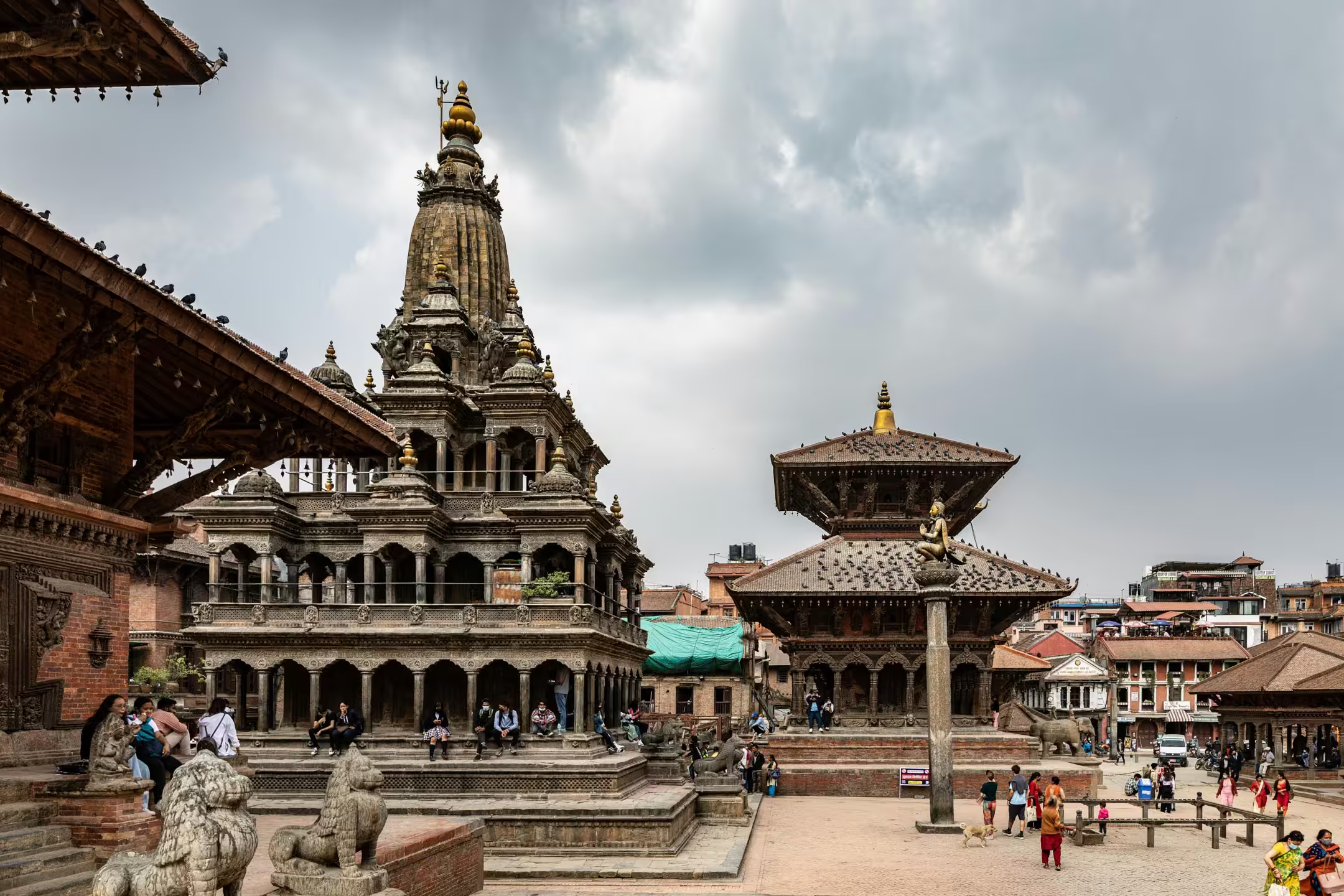
Patan Durbar Square is smaller than Bhaktapur's and more intimate than Kathmandu's, but it may be the most artistically dense of the three valley Durbar Squares. The Krishna Mandir — built in 1637 in the shikhara style, an Indian temple form rare in Nepal — has friezes carved with scenes from the Mahabharata and Ramayana running along two of its tiers. You can spend twenty minutes reading just one wall.
The Patan Museum, housed in the restored royal palace on the north side of the square, is a deliberate act of cultural reclamation: it takes the religious art that would otherwise live behind closed temple doors and presents it with world-class lighting and labeling. Bronze statues, ritual objects, and intricate repoussé work are explained in context. International museum professionals have cited it as one of the best small museums in Asia. Budget two to three hours for it if you have any interest in Himalayan art or religion.
The Courtyards: Getting Off the Main Square
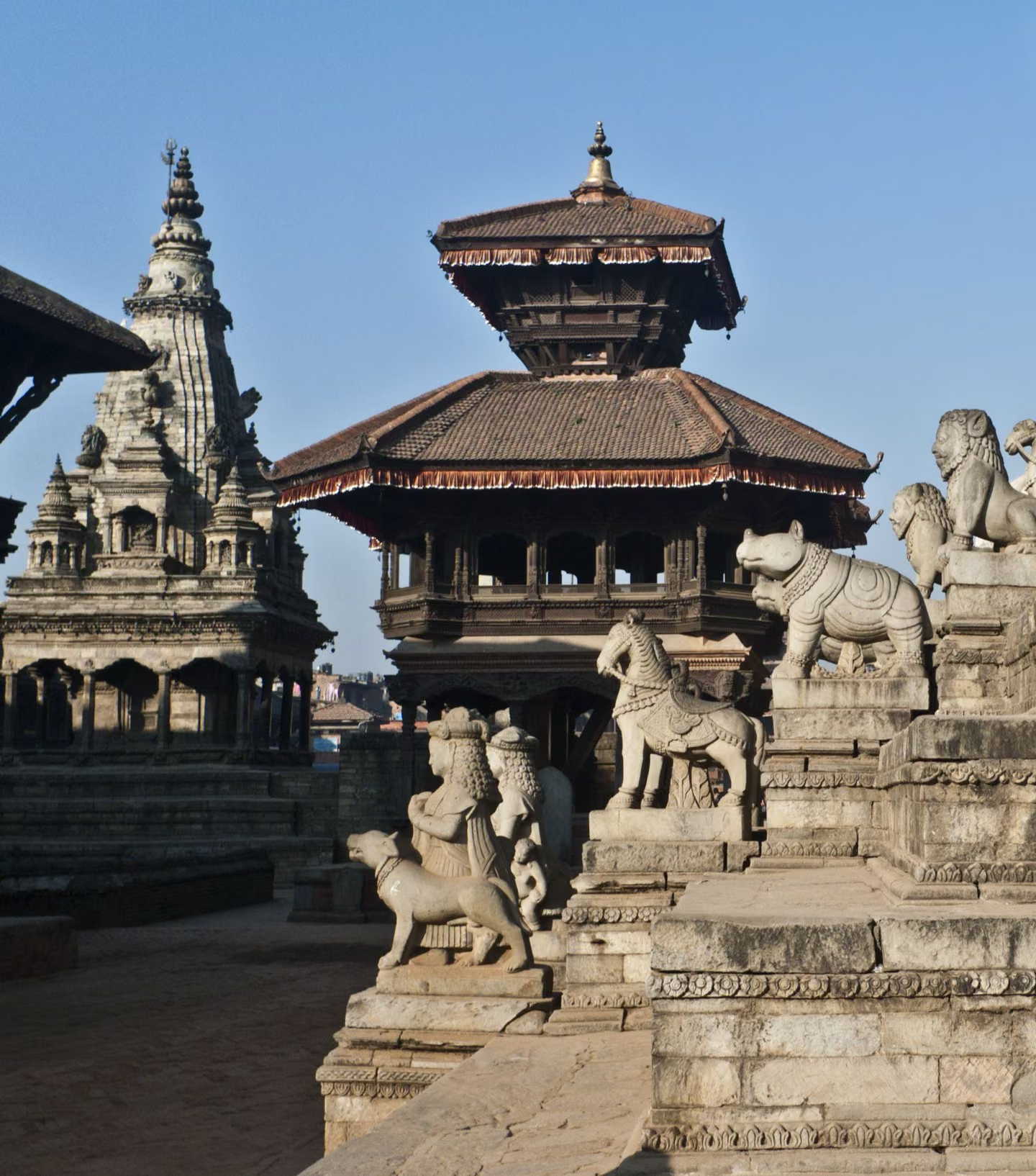
Patan's real character is in its bahals — the Buddhist monastery courtyards that form the social and spiritual core of traditional Newari neighborhoods. Unlike the main Durbar Square, many bahals are unmarked and require wandering to find. Push open an old wooden door in the old city and you may emerge into a centuries-old courtyard with a central shrine, carved wooden balconies, and residents going about their morning rituals.
The most accessible are:
Hiranya Varna Mahavihara (Golden Temple): A three-story gilded monastery courtyard that has been continuously active for over a thousand years. Monks still reside here; visitors are welcome but expected to behave respectfully.
Kumbeshwar Temple: A five-story pagoda in the north of the old city, the second-tallest temple in Nepal after Bhaktapur's Nyatapola. The surrounding pond turns into a pilgrimage site during the Janai Purnima festival.
Patan's traditional crafts are metalwork and lost-wax casting. If you want to buy a genuinely handmade bronze statue of a Himalayan deity — not a Chinese-manufactured import — Patan is the place to find it. Ask the shopkeeper to show you the casting mold; the honest ones will.
Cafes and Work Spots
Patan's cafe scene has developed around the Jhamsikhel and Pulchowk neighborhoods. Without naming specific shops that may have changed, the pattern to look for is: any independently owned cafe near the Jhamsikhel junction with a visible wifi password board, decent espresso, and an upstairs seating area. These tend to attract regular working laptop crowds, which means the wifi has been provisioned for the actual load.
The area also has several bakeries and small restaurants that cater to the expat palate — essential if you are staying a week and cooking your own food. A small supermarket stocking international goods exists in the Jhamsikhel area.
Patan vs Thamel: Who Should Choose Which
**Best for** — Thamel: First 1–2 nights, transit, budget trekkers; Patan (Jhamsikhel): Week+ stays, remote workers, culture travelers
**Vibe** — Thamel: Tourist-dense, loud, convenient; Patan (Jhamsikhel): Calmer, expat, independent
**Cafes** — Thamel: Tourist cafes, international food; Patan (Jhamsikhel): Independent cafes, better coffee
**Heritage access** — Thamel: Kathmandu Durbar Square, Swayambhunath; Patan (Jhamsikhel): Patan Durbar Square, Golden Temple, museums
**Transport** — Thamel: Walking distance to many things; Patan (Jhamsikhel): 20-min taxi to Thamel; local transport good
How EcoTourNepal Helps
For travelers doing a Kathmandu heritage tour, Patan is a natural half-day addition that most itineraries include. For remote workers joining the Work From Nepal program, EcoTourNepal can arrange accommodation in Patan or Jhamsikhel with the right desk, chair, monitor setup, and LAN internet that the program is built around — exactly the kind of infrastructure that makes working from Nepal viable rather than aspirational.
For travelers who want to understand what they are looking at in the Durbar Square and temple courtyards, the EcoTourNepal heritage culture tours include a local guide with background in Newari art history.
Get in touch to plan your Patan visit or longer Nepal stay.
Practical Information
Getting there: Taxi from Thamel ~20 minutes, NPR 400–600. App rides (Pathao/InDrive/Uber) work well in this corridor.
Durbar Square entry: Fee charged at the main gate; verify current amount before visiting.
Patan Museum: Separate entry fee; one of the better heritage investments in the valley.
Best day to visit: Weekday mornings; avoid public holidays when the square fills with local visitors.
What to combine: Pairs naturally with Bhaktapur (opposite direction, best as separate days) or the Jawlakhel area (known for a small zoo and the Tibetan refugee carpet center).
Frequently asked questions
Is Patan a separate city from Kathmandu or part of it?
Patan (officially Lalitpur) is a separate historic city and municipality, but it is contiguous with Kathmandu's urban sprawl and just 20 minutes by taxi from Thamel. It has its own Durbar Square, history, and character distinct from the capital.
Why do expats and long-term travelers prefer Patan to Thamel?
Patan is significantly calmer and less tourist-dense than Thamel. The Jhamsikhel neighborhood has independent cafes, good wifi infrastructure, and a community of NGO workers, expats, and creatives that makes long-term stays more comfortable.
Is the Patan Museum worth the entry fee?
Yes — it is widely considered the best museum in Nepal and one of the finest small museums in Asia. The collection of Himalayan bronze statues, ritual objects, and architectural elements is displayed with excellent lighting and context. Budget 2–3 hours.
How does Patan Durbar Square compare to Bhaktapur Durbar Square?
Patan's square is smaller and more intimate. The artistic quality of the metalwork and stone carving is outstanding — the Krishna Mandir's carved friezes and the palace museum are arguably more artistically sophisticated than Bhaktapur. Both are worth visiting.
Can I stay in Patan instead of Thamel for my entire trip?
Yes, and many longer-stay travelers prefer it. Accommodation ranges from small guesthouses to mid-range hotels in the Jhamsikhel area. You are 20 minutes from the airport road, 20 minutes from Thamel, and walking distance from Patan's own sights.
Keep reading
 Destination Deep-Dives
Bhaktapur Travel Guide: Nepal's Living Medieval City (2026)
Day trip vs overnight, juju dhau yogurt, pottery squares, temple architecture, and the current NTB entry fee. Everything to know before visiting Bhaktapur in 2026.
 Destination Deep-Dives
Kathmandu Valley Beyond the Obvious: Villages, Viewpoints & Day Hikes
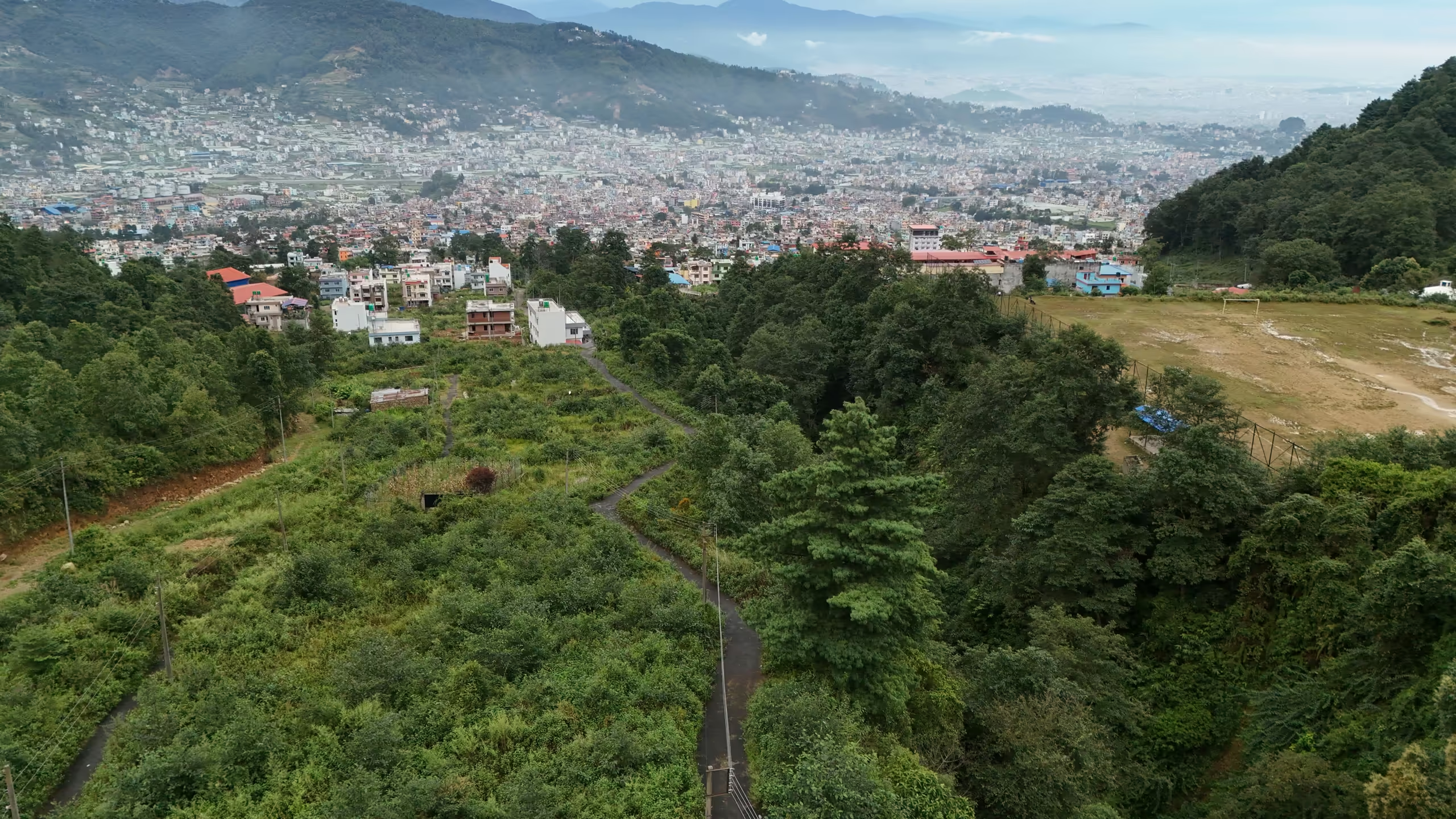
Turn Kathmandu into a proper base. Day hikes to Jamacho, authentic heritage towns like Bandipur and Panauti, and weekend escapes to Nagarkot and Nuwakot for remote workers.
 Destination Deep-Dives
Bandipur Guide: The Best Small-Town Stop Between Kathmandu and Pokhara
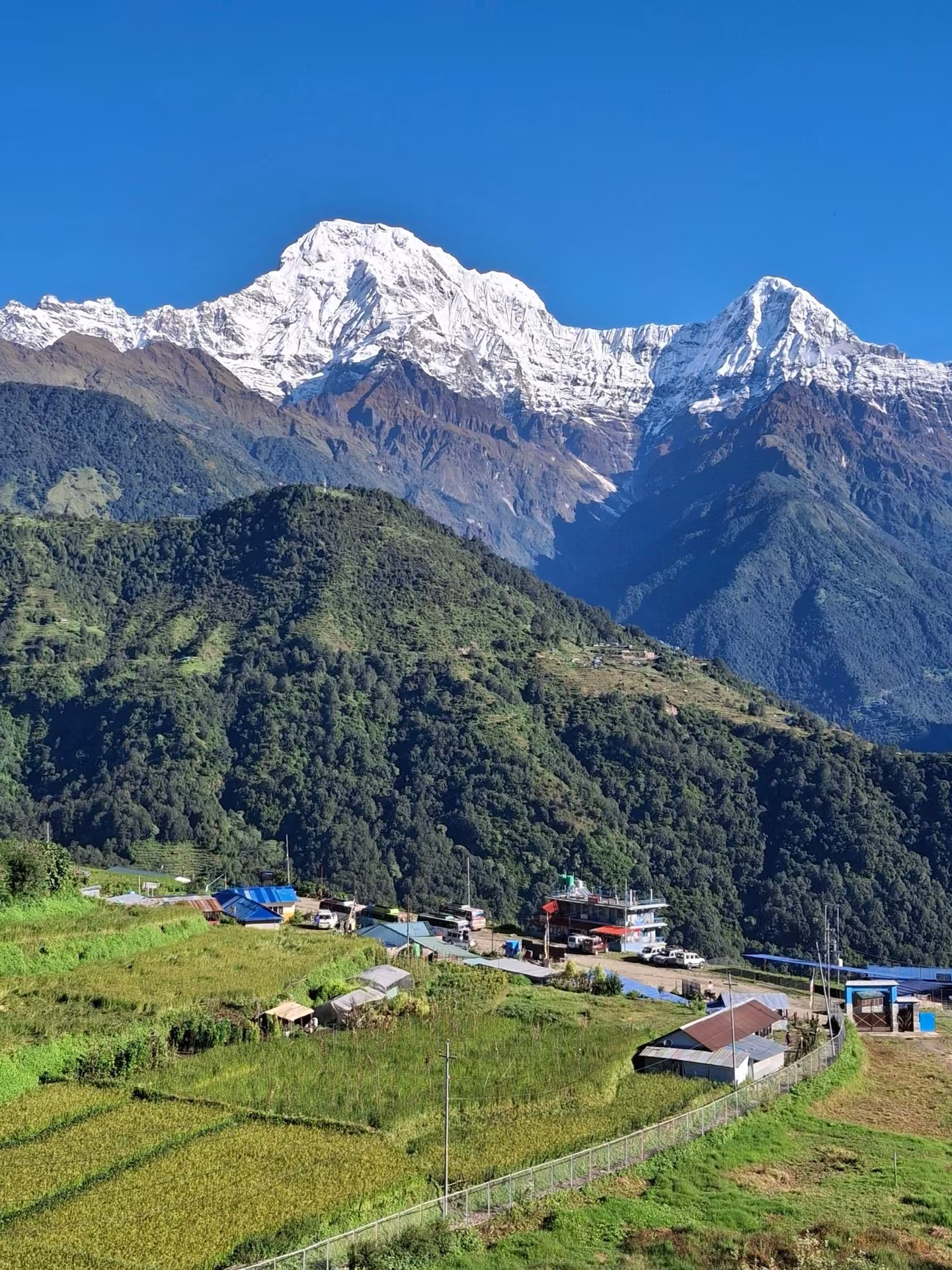
Why Bandipur deserves one night of your Nepal itinerary: a pedestrian heritage hill town with mountain views, Newari architecture, and an atmosphere that every photographer and slow traveler notices immediately.